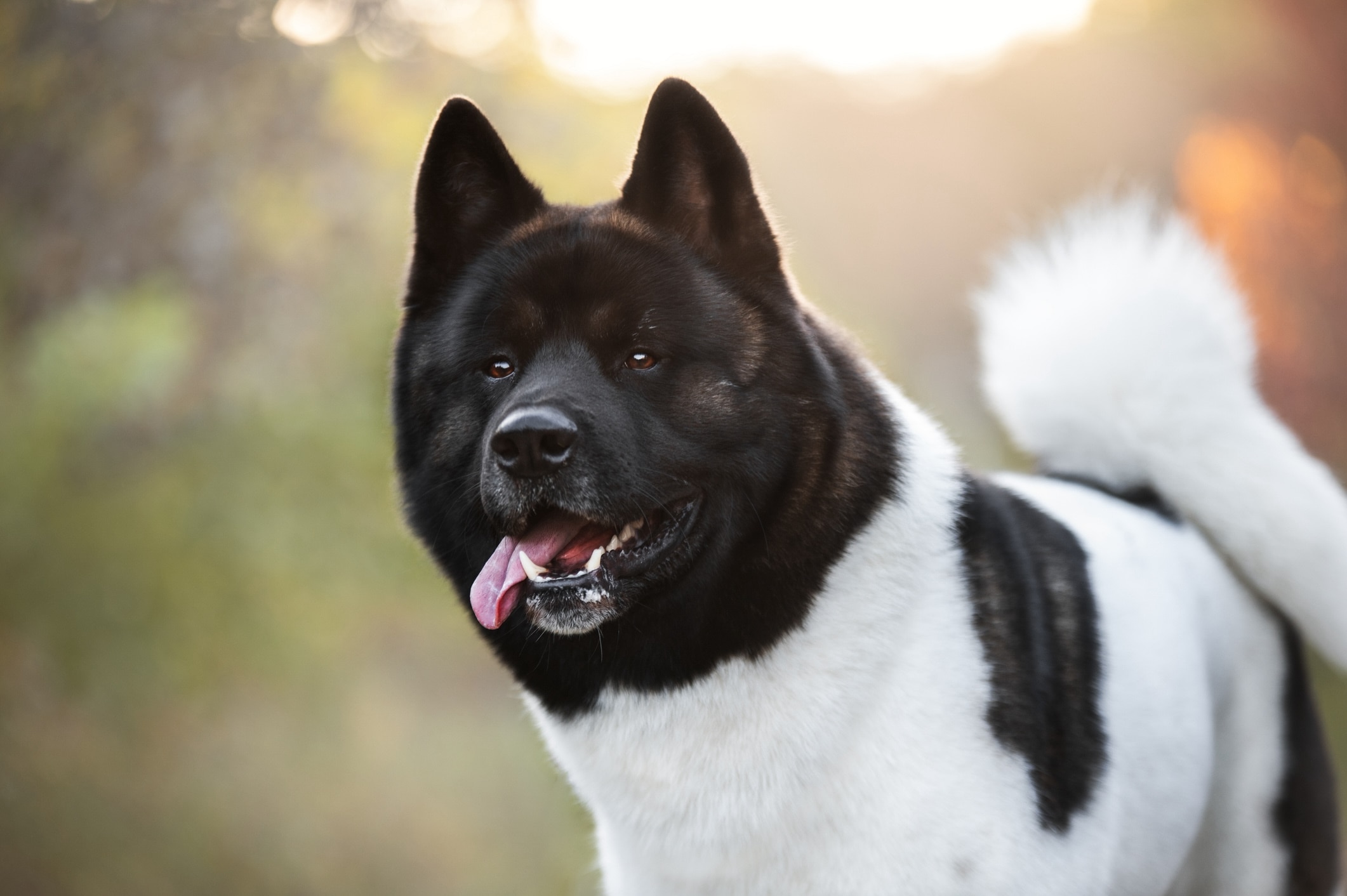
Hachiko the Akita dog walked to Shibuya Station in Tokyo every single day for ten years to wait for an owner who was never coming home. Professor Hidesaburo Ueno had passed away suddenly at work in 1925, but his faithful dog never stopped showing up at 3:00 PM to meet his train. It is one of the most famous true stories of loyalty ever recorded.
If you walked through Shibuya Station in the late 1920s, you would have seen a large, cream-colored dog sitting quietly by the exit. Commuters gave him food, station workers built him a bed, and an entire nation fell in love with his stubborn heart. Here is how a simple daily routine turned into a legendary bond that still moves people to tears today.
A Daily Walk in Tokyo That Started Everything
The story began in early 1924 in a quiet suburb of Tokyo. Hidesaburo Ueno, a farm professor at the Tokyo Imperial University, bought a young Akita pup from Akita Prefecture. He named the puppy Hachiko. The professor lived a modest life, and he loved his dog deeply. Every morning, Ueno walked from his home to Shibuya Station to catch his train to the university. Every afternoon at exactly 3:00 PM, Ueno returned to find Hachiko waiting near the ticket gate.
Commuters got used to seeing the pair walk home together. The dog knew the train schedule by heart. He did not need a watch or a calendar. He just knew when the bell rang and the steam hissed, his best friend would step off the train. It was a simple, happy life for sixteen months. Then, on May 21, 1925, everything changed in an instant.
That morning, Ueno gave Hachiko a pat on the head and got on his train just like always. But while teaching his class later that day, the professor suffered a sudden cerebral hemorrhage and died. He was only fifty-three years old. He never made it back to the station. Hachiko waited by the gate all evening, watching thousands of unfamiliar shoes walk past his nose until the station closed its doors for the night.

Ten Years of Waiting in the Rain and Snow
After the professor died, his family tried to find new homes for the dog. They gave Hachiko to a former gardener named Kikuzaburo Kobayashi who lived near the station. But Hachiko did not care about a warm house or a new yard. He kept running away back to the Ueno home. When he realized Ueno was not there, he ran to Shibuya Station.
Day after day, year after year, the dog returned. Rain fell, heavy snow covered the wooden platform, and hot summer sun beat down on the concrete pavement. It did not matter to Hachiko. Every single afternoon at 3:00 PM sharp, he took his spot right outside the station door. He sat still, watching the doors swing open as crowds poured out of the trains.
In the early years, people were not always kind to the dog. Some station workers pulled his ears or tried to chase him away with brooms. Street boys teased him. Yet Hachiko refused to move. He was not looking for trouble. He was just looking for one specific face in the crowd. Have you ever cared about someone so much that you would wait through any storm just to see them for a minute?
To understand how hard life can be for an animal surviving on its own, you can read about other incredible journeys, like this story of Juliane Koepcke: The Girl Who Survived a Plane Crash in the Jungle. Just like wild survival, Hachiko had to rely on strange luck and plain grit every single day on the cold streets of Tokyo.
How a Tokyo Newspaper Made Hachiko Famous
For seven years, Hachiko was just a stray dog sitting near a busy train station. Then a man named Hirokichi Saito noticed him. Saito was one of Professor Ueno's old students, and he was writing a paper about Akita dogs in Japan. He recognized Hachiko and followed him back to the gardener's house to learn his full story.
Saito was shocked by what he found. He counted the days, checked the dates, and realized this dog had been coming back to the station every day for years. In October 1932, Saito wrote an article for one of Tokyo's biggest newspapers, the Asahi Shimbun. The headline told the country about the lonely dog who was still waiting for his dead master.
Overnight, Hachiko became a national icon. People across Japan were deeply touched by his quiet devotion. Visitors came from hundreds of miles away just to drop off food or pet his head. Station guards who used to chase him away now gave him clean fresh water and a safe spot to sleep under the roof during rainstorms.
The dog became a symbol of love, duty, and deep loyalty. Schoolteachers used his story to teach kids about staying true to their friends. People sent donations, meat, and warm blankets to the station master just for Hachiko. The dog did not know he was famous. He just kept watching the train doors swing open at 3:00 PM.
The Bronze Statue and Hachiko's Final Days
In April 1934, a sculptor named Teru Ando raised money to build a bronze statue of Hachiko. They placed it right at the entrance of Shibuya Station. Hachiko himself was present at the unveiling party as an old dog. He sat right next to his own metal likeness while hundreds of people clapped and cheered around him.
By this time, age was catching up with the faithful dog. Hachiko was eleven years old, which is very old for a big dog like an Akita. He had battle scars from fights with stray dogs, and one of his thick ears drooped down over his eye. He had lost teeth, and walking hurt his old joints. But he still dragged his heavy feet to the station every single afternoon.
On March 8, 1935, workers found Hachiko lying dead on a quiet side street near Shibuya Station. He had waited nine years, nine months, and fifteen days for his owner. Doctors later found that he had severe heart issues and cancer. After all those hard years, his long watch was finally over.
When news of his death broke, the entire nation of Japan went into mourning. Workers placed flowers all around his bronze statue. Monks held a religious service at the station to honor his soul. If you enjoy reading unbelievable stories from history, you can find more amazing accounts on our main page for unbelievable real life stories.
Why Does Hachiko Still Matter to Us Today?
Today, if you visit Tokyo, the busy open square outside Shibuya Station is called Hachiko Square. It is one of the most popular meeting spots in the entire city. Millions of young people meet their friends near the small bronze dog statue every month. It is a wonderful tribute to an animal who spent his whole life waiting to meet someone he loved.
You can even see Hachiko himself today. His body was preserved, and he sits inside the National Museum of Nature and Science in Ueno, Tokyo. His fur looks clean and bright, just like it did back in 1924. Next to his owner's grave in Aoyama Cemetery, caretakers built a small stone monument for Hachiko. After ten long years apart, master and dog were finally reunited in peace.
Stories like Hachiko's are kept alive because people love sharing a good Human-interest story from mouth to mouth. They remind us that love is not just a feeling. Love is something you show through action, patience, and staying faithful even when things get hard.
What can we learn from a dog who waited ten years at a train station? Maybe we can learn to appreciate the people in our lives today while we still have them. Next time you say goodbye to someone you love, think of Hachiko standing by the station doors. Give your pet an extra treat, call an old friend, and hold onto the bonds that matter most to you.
Comments
Post a Comment